

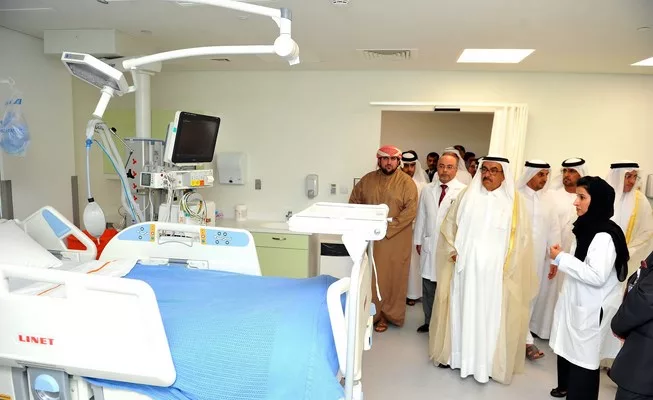
In the calm of the UAE’s bustling cities and serene desert towns, a quiet army remains on constant alert—the country’s medical responders. These are not only emergency physicians in hospital trauma units but also intensivists, public health experts, military medics, and volunteer doctors who are trained to react to the unthinkable: natural disasters, industrial accidents, epidemics, and even geopolitical emergencies.
Across hospitals, emergency centers, and disaster command units, UAE doctors are developing and rehearsing response systems that are not only rapid but resilient. Their aim is clear: ensure that when disaster strikes, medical chaos does not follow.
This article explores how UAE physicians are being trained and equipped to handle crisis scenarios, their role in building national resilience, and how their preparedness is redefining emergency healthcare in the region.
Why Crisis Readiness Matters in the UAE
Though the UAE enjoys relative political and environmental stability, the country’s geographic, demographic, and economic realities demand robust disaster preparedness:
- High population density in urban areas like Dubai and Abu Dhabi
- Diverse expatriate population, requiring multilingual emergency care
- Major international events that increase risk, such as Expo or COP summits
- Extreme heat, which can cause seasonal health crises
- Industrial zones with potential for chemical or construction accidents
- Proximity to geopolitical tension zones, including the Red Sea and Gulf region
In response, the UAE has prioritized emergency medicine and disaster readiness, with doctors playing central roles in both planning and frontline action.
Emergency Medicine: A Growing Specialty
A decade ago, emergency medicine in the UAE was often reactive. Today, it is a standalone medical specialty, with dedicated residency programs and certifications.
Doctors in this field are trained to handle:
- Polytrauma and major accidents
- Cardiac arrests and strokes
- Chemical exposures and burns
- Mass casualty incidents
- Acute psychiatric crises
- Disaster triage and logistics
Emergency departments in major hospitals are led by Emirati and expatriate physicians who combine global training with local knowledge. Many hold certifications in Advanced Trauma Life Support (ATLS), Advanced Cardiac Life Support (ACLS), and Pediatric Emergency Life Support (PELS).
Disaster Simulations and Drills
To prepare for large-scale crises, hospitals across the UAE conduct regular disaster response drills, often in coordination with civil defense, police, and national emergency agencies.
Doctors play key roles in:
- Designing realistic simulation scenarios (plane crash, explosion, chemical spill)
- Practicing triage systems under pressure
- Setting up mobile operating or triage units
- Communicating across departments under radio silence or tech failure
- Managing surge capacity when resources are stretched
Dr. Youssef Marwan, an emergency physician in Sharjah, recalls one such drill:
“We had 50 actors as victims in a simulated gas leak. Within 15 minutes, we had converted the hospital entrance into a command zone. It felt real—and that’s the point.”
Mobile Clinics and Field Medicine
In crisis zones or mass gathering events, doctors are often deployed outside hospitals to set up mobile clinics. These are often designed to treat:
- Heat exhaustion during Hajj preparations or sporting events
- Respiratory distress in sandstorm-affected areas
- Minor trauma or burns from industrial areas
- Psychological support during post-disaster shock
- Emergency childbirths in inaccessible zones
Doctors in the UAE are increasingly trained in field triage, mobile diagnostics, and resource-light interventions, making care possible even in unstable environments.
COVID-19: A Case Study in Medical Mobilization
During the pandemic, UAE doctors were rapidly mobilized into front-line and support roles that tested their crisis readiness. Their response included:
- Setting up COVID screening and isolation centers in record time
- Leading vaccination drives with logistical precision
- Adapting ventilator management protocols in real time
- Providing emotional support to patients and families in lockdowns
- Coordinating with public health authorities for containment strategies
Doctors such as Dr. Reem Al Qassimi, who led one of the largest COVID units in the Northern Emirates, described the experience as “a disaster response that lasted two years—but one that made our system stronger.”
Terror Response and Mass Casualty Planning
In light of regional risks, UAE doctors are also trained to handle terror-related mass casualty scenarios, including:
- Blast injuries
- Gunshot trauma
- Chemical weapon exposure
- Crowd stampede response
- Psychological trauma after violence
Medical staff are trained in mass casualty triage systems, such as START (Simple Triage and Rapid Treatment), and in working within multi-agency coordination environments, which include law enforcement, military, and rescue services.
Public Health Crises: Doctors as Community Defenders
Not all disasters are sudden. Many are slow-burning crises, such as outbreaks of infectious diseases, water contamination, or extreme heat events.
In these cases, UAE doctors are at the center of public health strategy, offering:
- Early warning systems and epidemiological surveillance
- Health education campaigns in schools, workplaces, and labor camps
- Coordination of quarantine and isolation centers
- Distribution of medication and medical supplies
- Advising policy makers on lockdowns, school closures, or vaccine mandates
Doctors in public health roles become not just clinicians but health diplomats, negotiating between science, society, and the state.
Air Ambulance and Remote Crisis Evacuation
In hard-to-reach desert zones or offshore locations, UAE doctors are trained in aeromedical evacuation—stabilizing and transporting critically ill or injured patients via helicopter or medical aircraft.
These physicians work closely with:
- The National Search and Rescue Center
- Police and civil defense aviation units
- Oil rig and desert infrastructure operators
- Military medical evacuation teams
Skills include in-flight monitoring, altitude medication protocols, and rapid trauma stabilization in confined spaces.
Humanitarian Deployments and Regional Relief
UAE doctors are often deployed abroad on medical humanitarian missions through UAE-sponsored aid programs or international NGOs. Past missions have included:
- Earthquake relief in Turkey and Nepal
- Flood response in Pakistan and Sudan
- Warzone field hospitals in Gaza and Yemen
- Refugee care in Jordan and Northern Iraq
Doctors are selected based on their crisis adaptability, clinical breadth, and cultural competence. For many, these missions are a calling, not just a duty.
Military and Police Medical Units
Within the UAE Armed Forces and police, doctors are embedded in rapid response teams. These specialists are trained in:
- Battlefield trauma
- Tactical combat casualty care
- Chemical, biological, radiological, and nuclear (CBRN) response
- Hostage and negotiation medical support
- Resilience coaching for frontline personnel
These medical professionals serve both at home and in peacekeeping operations abroad, often under high-risk and high-pressure conditions.
Training the Next Generation of Crisis-Ready Doctors
Recognizing the importance of emergency preparedness, many UAE medical schools now incorporate:
- Disaster medicine electives
- Mass casualty simulations
- Public health emergency modules
- Tactical medical response workshops
- Mental health resilience training
Senior physicians serve as mentors, training residents and students in realistic, scenario-based crisis handling, ensuring the next generation is ready from day one.
Doctors Advocating for System Resilience
Beyond clinical care, UAE doctors also influence national resilience strategies, advising on:
- Hospital evacuation protocols
- Medical supply chain contingencies
- Critical care bed surge planning
- National disaster policy frameworks
- Emergency data management systems
These physicians are often part of inter-ministerial task forces, ensuring that medical priorities are reflected in infrastructure and civil preparedness plans.
Mental Health Support for Medical Responders
Working in crisis scenarios can take a toll. Recognizing this, the UAE medical community is placing growing emphasis on:
- Peer support groups for trauma-exposed physicians
- Psychological debriefings after major incidents
- Rotations to prevent burnout in high-intensity roles
- Training doctors in emotional regulation under pressure
Dr. Huda Al Sayegh, a psychiatrist working with emergency departments, says:
“To take care of others in disaster, a doctor must first be grounded themselves. Mental resilience is part of disaster readiness.”
Conclusion: A Nation’s First Line of Medical Defense
In moments of calm, the work of UAE doctors may appear routine. But beneath the surface, these professionals are constantly preparing—rehearsing disaster scenarios, analyzing health data, checking emergency kits, training juniors, and mapping contingency routes.
They are more than healthcare providers; they are part of a national safety net.
In a world where crises are no longer rare but expected, the UAE’s medical community stands as a model of proactive, integrated, and compassionate readiness. Whether responding to a fire in a tower block, a flood in a coastal zone, a viral outbreak in a school, or a tragedy beyond the border, these doctors will be there—not only to treat the wounded but to hold society together when it needs them most.